
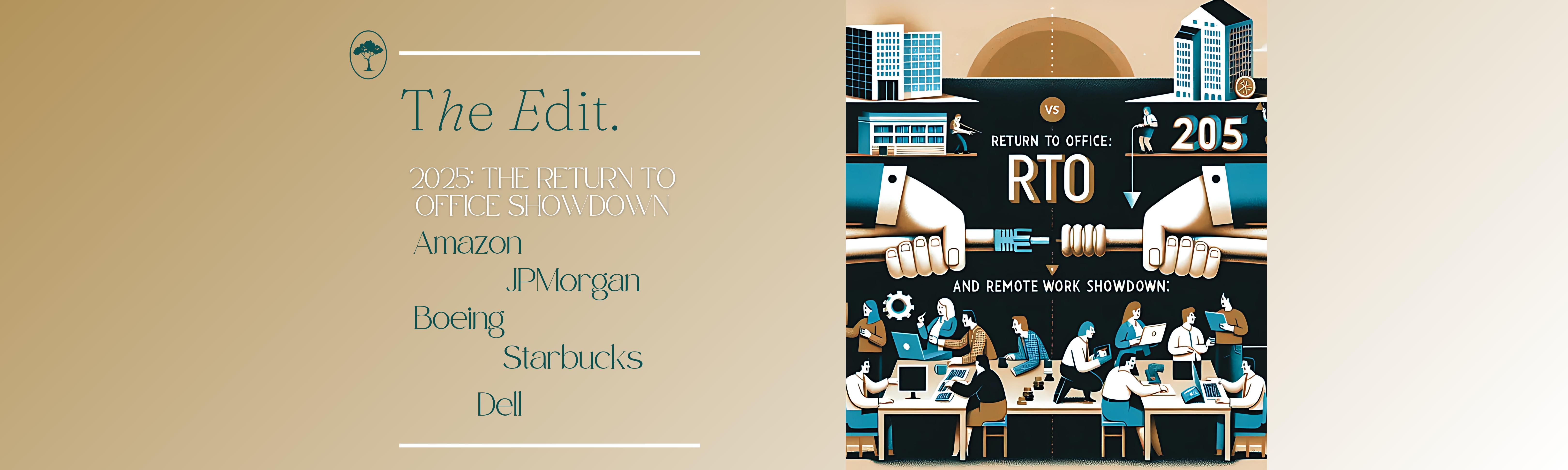
As we move into 2025, the battle between companies enforcing Return-to-Office (RTO) mandates and the workforce's preference for remote work is heating up. With major players like Amazon and Dell leading the charge, remote workers brace for escalating challenges.
While the landscape for remote workers faces challenges, there are positive aspects to consider. Many companies may follow the return-to-office (RTO) model, inspired by larger counterparts. This shift is influenced by several key events: Meta's retraction of its remote work policies, New York's pioneering "Right to Disconnect" law, and a global tech talent shortage. These events highlight a dynamic blend of regulatory, social, and market forces reshaping the future of work. As companies navigate this evolving environment, there are opportunities for fostering better workplace practices.
The Case for the Office
The Case for the Office
Despite resistance, returning to in-person work has its advantages:
- Stronger Collaboration – Face-to-face interactions can spark spontaneous brainstorming and deeper team connections.
- Clearer Work-Life Boundaries – Policies like the "Right to Disconnect" reinforce the need for separation between work and personal time.
- Access to Resources – In-office environments provide direct access to tools, technology, and leadership, potentially boosting productivity.
As companies strive to balance RTO mandates with employee well-being, there's growing recognition of the need for more flexible hybrid models. Market studies and employee voices increasingly advocate for re-evaluating traditional office-based work imperatives, fostering a healthier and more productive work environment.
💡 Want more insights on workplace trends and strategies? Sign up for our mailing list to stay ahead of the curve with expert analysis, industry updates, and actionable tips.